The Expectations vs. The Realities of Rural Nursing

I’ve been working as a new grad nurse in a rural/remote hospital for three months now. While I’m finding my feet as a new nurse, I’m discovering that my expectations and the reality of living and working as nurse in rural Australia haven’t quite aligned. This week, in an attempt to get back into blogging, I’m reflecting on the experiences I’ve had so far.

View post to subscribe to site newsletter.

In all honesty, I came out here with the idea that I would conquer my chosen profession of nursing and gain valuable experience to help me conquer the world – saving lives, improving the state in which people live. It’s my dream to one day work for something like MSF or the Red Cross. Quite the fantasy. This is one area in which rural nursing has met my expectations. It seems to be the kind of place where many people come to ‘up-skill’. The need for nurses out here lends opportunity to those willing to venture out.

What I didn’t expect was the amount of aged-care work we would doing. Rural Australia has an ageing population (surprise, surprise – much like the rest of the western world), with younger people moving to cities and a low birth rate. Having already worked in aged care for two years now, I had thought I’d be leaving home for something a little more exciting.

However, building (professional) relationships with my oldies has been one of the best parts of my job here. The positive in having aged-care here is that the residents can stay in their home town as they get older and it is actually quite a fast-paced working environment. From what I have seen so far, if there were only acute patients or emergency patients, my days might be more… dare I say it? The ‘Q’ word. We have been able to help with BBQs and Easter morning teas, as well as social events for the residents and their families and sundae treats organised by the lovely activities coordinator. One resident sometimes sings us songs as we help her to get ready for bed in the evenings.

There have also been instances where we needed something particular for a patient like a dressing or a specific medication which we haven’t had. I’d previously thought that these kinds of things would be readily available. Luckily are easily able to order anything we need, it’s just a matter of time to get it. The local pharmacy has also been an incredible asset to the town and the hospital.

In a larger metro hospital we could just call a doctor or any allied health and there they’d be but things are a little different here. It’s very lucky that we have a doctor here. There is one GP who services the whole town and is also the treating physician for any patients or residents of the hospital. He is basically permanently on-call and attends to any emergencies where the nurses might require more consistent and immediate assistance from a doctor. When he goes away on holiday or sick leave we use the Royal Flying Doctor Service (RFDS) which has been great!

During my second month here, there was a town-wide Telstra outage (one of the major telecom companies in Australia) for almost three days. Most people living in places like this use Telstra as it provides the best coverage in rural Australia, so when we ran out of phone coverage it was a big deal. It wasn’t just the mobiles either – it was the landlines too. Each of us as new grads were cut off from the outside world without any phone service. There was about half a day in the middle somewhere that the phones began to work again and then just like that *snapping fingers*, the phones were dead again. During the night shift, an emergency came in and one of the nurses had to go to his house to get him so that he could attend and provide medication orders.

Starting as a new nurse has been challenging. When I decided to become a nurse I knew that it wouldn’t be easy – it would be challenging in a way that starting any new job is but I didn’t expect to make so many mistakes so early on. They were nothing major but it definitely knocked my confidence a little. So something which I learnt quite early on, was to own it – mistakes are going to be made and it’s better if you can learn from it. I have done incident reports on myself to make sure that even though something has happened, I can provide safe care for my patients and myself.

While I’m not in the most remote of places, this experience so far has definitely left my expectations of rural nursing misaligned with the reality. I hope that being out here will help me to become a better nurse but more importantly, I hope that I don’t fail rural Australia and that rural Australia can survive the healthcare challenges it faces.

Next week in Part Two of The Expectations vs. The Realities, I write on what it’s like living in a rural town!
Subscribe for more posts!

New Year, New Plans?

Welcome to 2021! I hope that this year brings bigger, better things (as well as safer)! This week, I’m writing about my plans for the upcoming year. This year I’m moving the equivalent of three countries away for work and I’m not even leaving the state! Australia is a big place. I’m super excited and I wanted to share some of that excitement with you! This week I also talk about my lack of New Year’s resolutions and why.

View post to subscribe to site newsletter.

New year, more consistent blog posts already? I’m really writing this blog post to remind my family where I’m going to be throughout this year as I’ll be moving around quite a bit but also as a little reminder to myself that this is what I want to do. I also wanted to have a chat with myself about making New Years resolutions (or rather, not making them). NOTE: This blog post doesn’t relate to any hospital or health service in particular.

The Plan

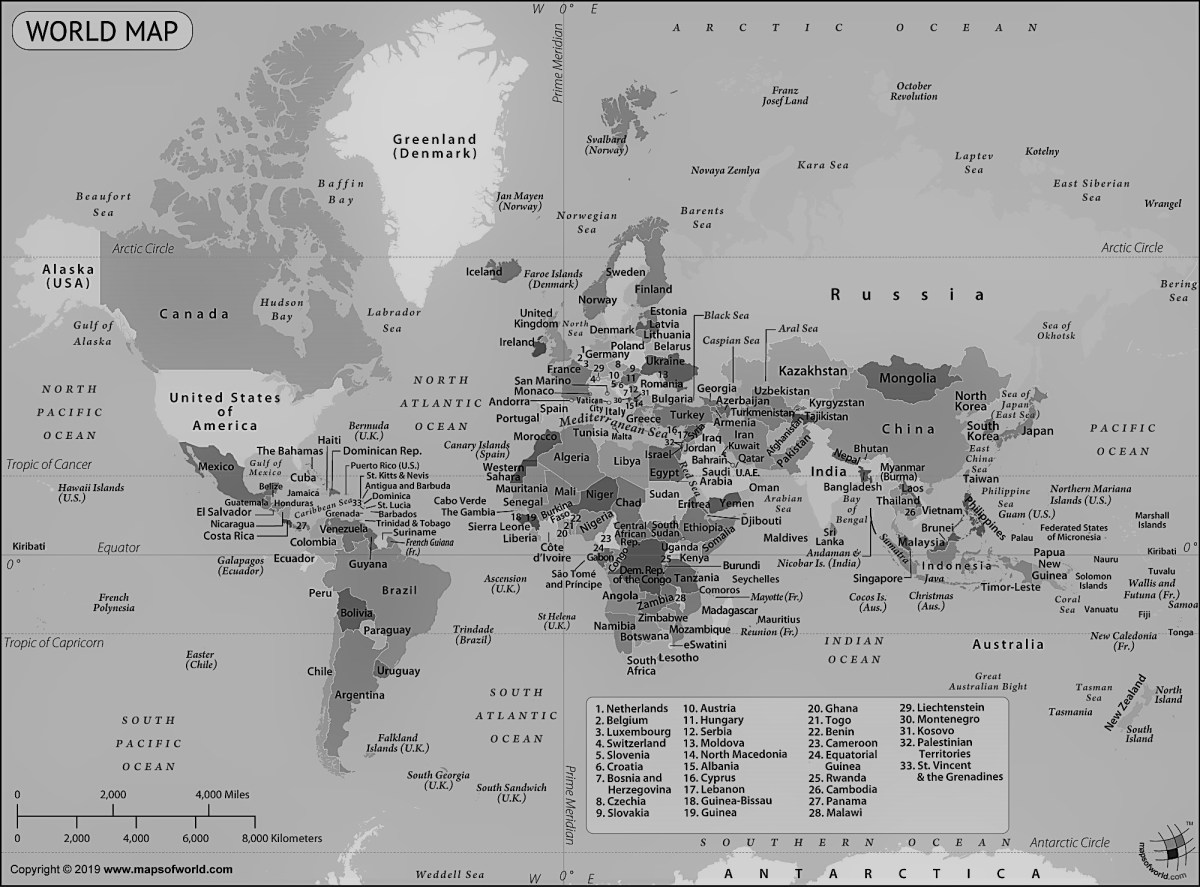
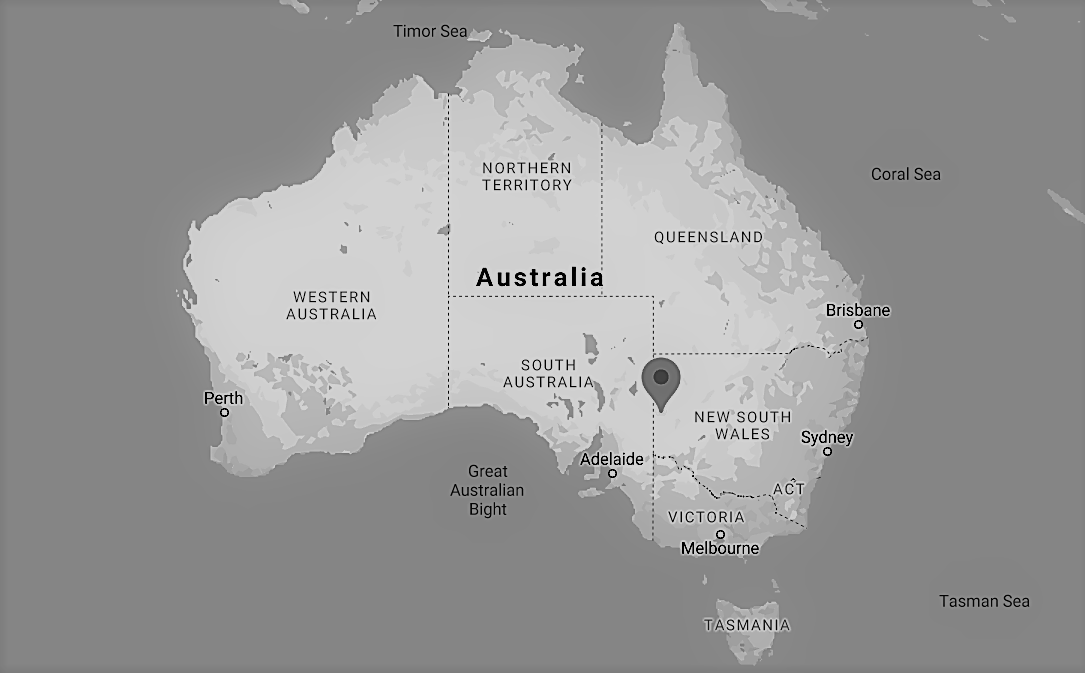
For the next 12 months, I’ll be doing a graduate nurse program in far western NSW. This will be based in Broken Hill, 934kms from my home in Canberra. For context, that’s the equivalent of driving from London to Zurich. On another continent, I would be moving three countries away for a job. I think it’s safe to say that I won’t be popping home for the weekend. When I travelled to Broken Hill for my interview, it took two days to get there though I would say that it’s been worth it as I got the job!

This program isn’t just based in Broken Hill though. I was lucky enough to get a place in the remote facilities program! Over the next year, I will be spending three months each in four rotations. I will begin working as a registered nurse (RN) for the first time in a small town of 1,200 people at a small Multi-Purpose Service (MPS) which includes a small ED, an acute ward as well as aged care. As far as I know, accommodation will be provided and there are two other girls starting there with me at the same time!

Then I’ll be heading to Broken Hill for three months before going to another smaller town to work in another MPS (I don’t have much information about this at the moment but I’ll keep you updated). For my final three months, I’ll be going back to Broken Hill.

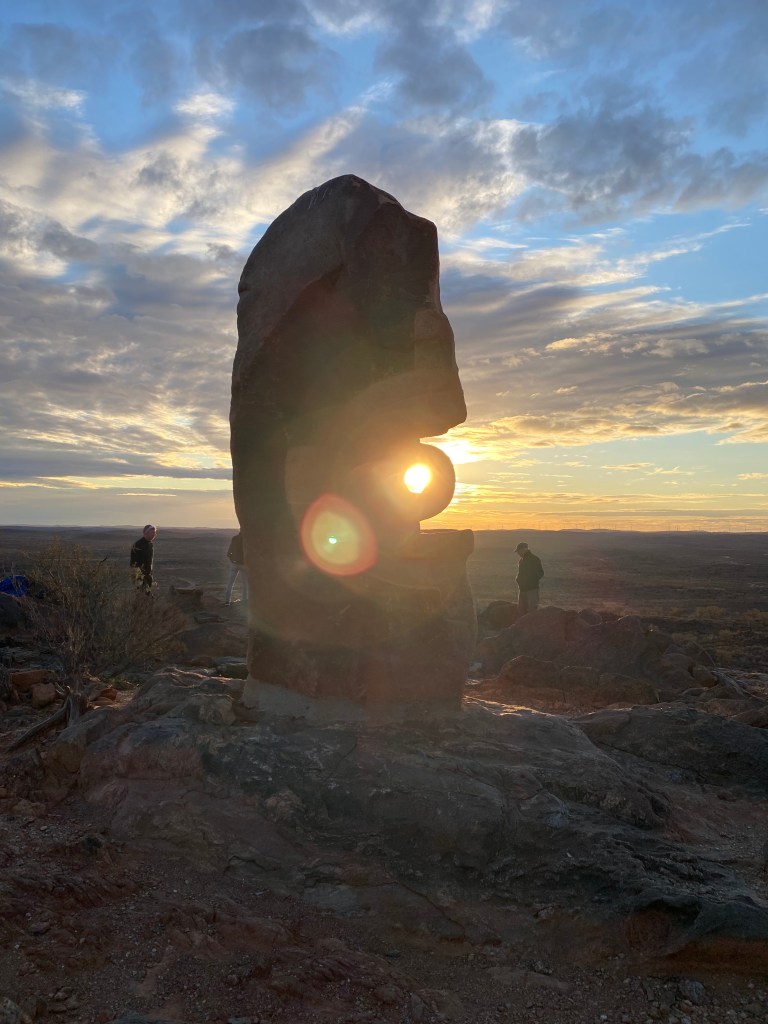
The Desert Sculptures in Broken Hill

It’ll be a little bit of moving around but I’m very excited to go! I think that this may just be the perfect opportunity to help me gain experience in areas of nursing which will help me to achieve my longer-term career goal which is to travel Australia and the world as a nurse. It’s such a good way to help others and see the world and I think that makes me feel better; like I’m making a difference, even if it’s small. Well that was cheesy…

2021 New Year’s Resolutions

Other than the move, I’m not making any New Years resolutions. I never achieve my resolutions and to tell you the truth, I don’t actually ever feel bad about not achieving them. They’re usually important but meaningless things to me, like drink more water or exercise more. So I’ve decided to take a new approach to resolutions this year: I’m thinking about what has helped or worked the best for me during 2020 to bring into 2021 with me.

Journaling: Everyone always told me to journal. ‘It’s so good for your wellbeing’. I never did. I could never do it consistently or in a way where I felt good about it. All that ended up on the page was verbal diarrhoea of complaints and negativity. Anyway, last year I started just writing one thing that I’m thankful for every evening. From there I started to write slightly more and more each evening. It’ been a very positive experience so far and I think that I’ll keep doing that more in 2021.

Reading: During 2020, I read at least five books that I can think of off the top of my head. This may not seem like a lot but I have been on a reading hiatus for many years. When I was younger, I read so many books! Ask my mum about the time she banned me from reading. I’m making a slow return to reading and I love it. I’ve already finished two books this year and I think it’s also helping me to break up with my phone.

Lowering my exercise expectations: I hate exercise. I don’t enjoy it however, in 2020 I found my exercise groove. I got into yoga and swimming, both of which I really enjoy though they’re not cheap. I just decided that I couldn’t force myself to workout cause I didn’t like it. Hopefully I’ll get to keep doing some kind of similar exercise wherever I end up! Yesterday I swam 1.25kms and I’m a little bit proud of myself.

Eating more vegetarian meals: gotta do what you’ve gotta do for the planet and the animals… you don’t need the spiel but last year my family became ‘at home vegetarians’. Yep, I couldn’t give it up completely but it’s a step in the right direction.

I think 2021 is going to be better than last year for a number of reasons; hopefully we and the rest of the world will get COVID under control with the introduction of the COVID vaccines though I think we have all learnt a lot during 2020 that we can bring with us into 2021! Things like supporting each other and taking time for ourselves (slightly contradictory, I know but you can do both!), as well as doing what we can for the greater good. Happy New Year Everyone!

Subscribe for more posts!

My Nursing Graduation During the COVID-19 Pandemic

2020 has been a rough one for some more than others. I think it’s safe to say that we have have fared very well here in Australia. During this year, I also graduated from my Bachelor of Nursing degree but it wasn’t your typical graduation ceremony.

Surprise! I’m back! I feel like this is how every blog post starts from now on… yes, I’ve been MIA. Here’s a bit about where I’ve been and what’s happened since we last spoke (figuratively): I was due to finish my degree in July but as I wrote in my last post, I got a cold and had to do some extra placement hours. In Australia the Australia Health Practitioner Regulation Agency (AHPRA) requires Bachelor of Nursing students to complete a minimum of 800 hours of clinical placement. Once I finished all my placement hours it was August!

I’m not sure why I thought it was a good idea but I decided to get four jobs? Like what? I continued working with the nursing agency that I had been working with before, I started working with a private client (which was actually the best thing I’ve done) and I started teaching skills labs at the uni one day a week. After I started working with my private client, another lovely family reached out to me to ask if I could help out with their daughter (which I didn’t really have the days in the week for but I said yes anyway) and so I gained another private client. Hey presto! Four jobs! That definitely wasn’t sustainable but I’m kind of using it as an excuse for my absence on here.

In the midst of this job craziness, the uni cancelled our graduation which wasn’t really a surprise to anyone. Firstly, they offered for us to attend the graduation ceremony in March of 2021. I was totally fine with this as I hadn’t intended to finish uni this early anyway – I only fast-tracked my degree because I was bored in lock down and at the time we’d been told that it may take some time to gain our placement hours because of COVID restrictions in hospitals. This idea to ‘walk’ in March was scrapped pretty soon.

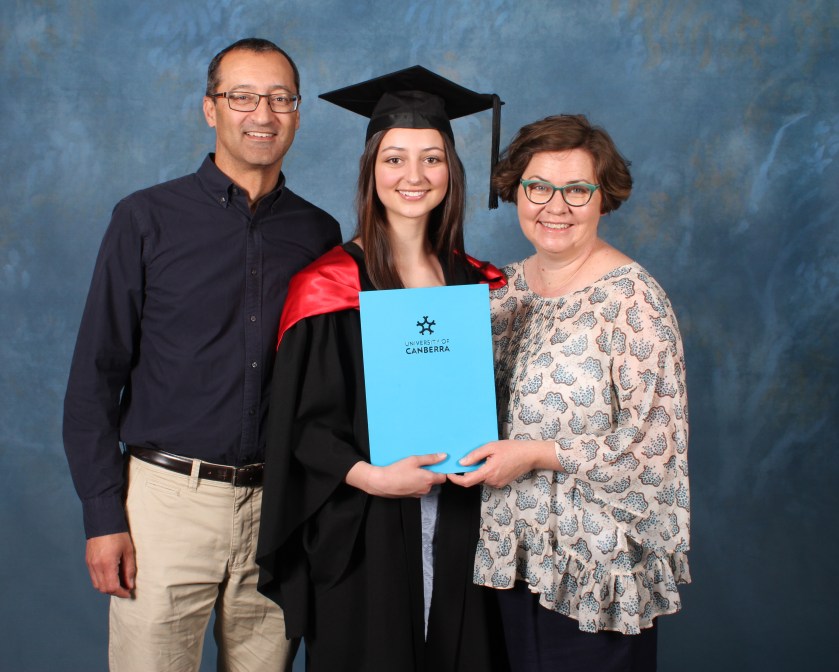
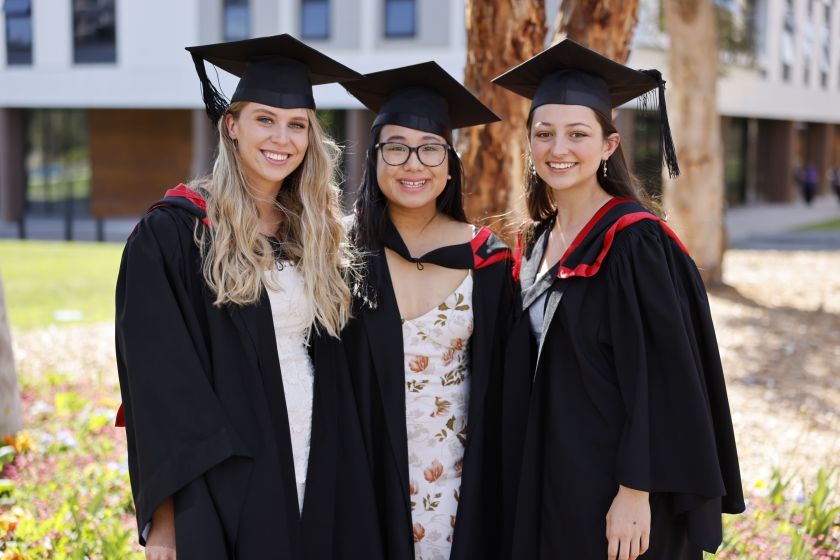
For graduation we got a ‘photoshoot’ – yes, that’s what it was called. When October came around we were able to book a time where you could go into uni with your family and collect your testamur, dress up in the gown and get your photo taken. It actually turned out really well! I was able to book the same time as a few friends so that together we very unceremoniously collected our testamurs from a nice lady at the COVID check-in station and took our photos!

Two thirds of the support crew at the graduation

We were lucky enough to be able to take four guests with us so I took my parents and sister. The most supportive bunch ever! Couldn’t have done it without them! On the day of the ‘photo shoot’ I decided to wear these stupid shoes – high heels of course. My support crew dropped me right at the door in my stupid shoes and then went to park the car – huge thanks for that! By the afternoon I could barely walk, so I treated myself to a Pepsi and a sausage roll #healthy. I can safely say that I have good nursing shoe judgement though – super sexy (or not), black leather, memory foam, slip proof, lace-ups.

RN Amy, RN Anna and myself at graduation on the 15th of October 2020

I can’t lie – I was feeling quite proud of myself and my other nursing sisters (and everyone else as well) for finishing our degrees in this moment! It had literally taken blood, sweat, tears and poop to get to this point. I was feeling quite grateful that we had been able to celebrate it together during this time and due to the restrictions that we had. The mum of a close friend of mine told me that the ‘photo shoot’ was the perfect way to celebrate your graduation as you got to do all the fun things without sitting through the boring speeches and 300 other people also receiving their testamurs.

I was also feeling quite sad for a lot of others in Canberra, as well as around the world, who wouldn’t get to celebrate their graduation or other milestones. As far as I know, a lot of people have been offered the opportunity to ‘walk’ in future graduation ceremonies or alternatives such as ‘photo shoots’ or virtual ceremonies. I think that it will be hard for those in university and school this year but I’ve got my fingers crossed for everyone!

This has been a long one, sorry! If you this far – well done!

Part 2. Being on Placement During the COVID-19 Pandemic: Diaries

In the second part of my series Being on Placement During the COVID-19 Pandemic, I take on a three week placement in paediatrics in a rural hospital and a week in ophthalmology. I also face a lack of PPE and a COVID-19 scare.

View post to subscribe to site newsletter.

I’m baaaaaack! Yes, I have been MIA but I’m hoping to get back into the blog! I wrote this post a long time ago and was deciding whether to post it or not but I think it’s important for me to reflect on my practice and for others to gain a little insight into what it’s been like to be on placement during the COVID-19 pandemic as a nursing student.

This blog post contains general entries from my time on placement and any information regarding a particular hospital or patient has been omitted or changed for privacy reasons.

02 July 2020

I was expecting to go to the Coronary Care Unit for my last block of placement but I’m very excited to be in paeds! I had it as one of my placement preferences but had never gotten it. I can’t lie, I’m a little bit disheartened that I hadn’t gotten a critical care area for my last placement but I’m trying to stay positive about it. Paeds is very different to adult nursing. I feel like a little bit of a fraud because everything is done so differently; the med checks are the same in principle but completely different to what I’m used to in practice.

I’m way out of my depth. I had to take out an IVC [intravenous catheter] from a four year old. I’m sure she won’t even remember it but I felt awful. She cried the whole time – not because taking out a cannula hurts but because it hurt her to have the bandaid taken off which secured it. I feel like all I do is make these tiny tots cry when I’m trying to help them.

1o July 2020

I have been in paediatrics for two weeks now. I feel like I have been here long enough now to say with confidence that this is the situation: we are severely lacking PPE [personal protective equipment] and just about every second patient is ?COVID [nurse short-hand for suspected of COVID-19]. When those patients do come in, I want to be able to protect myself and everyone else by wearing the appropriate PPE. But the reality is that we don’t have the PPE we need because other people are panic buying and the hospitals themselves are stockpiling [this is not isolated and is widely reported].

I am really conflicted about this because if the worst does happen, I want the stockpiled PPE to be there but I’m also interacting with patients who could have COVID-19 without the right masks and gowns. It’s a complicated situation and definitely not a safe one. Despite my concerns, thankfully none of our ?COVID patients have returned positive results.

EDIT: Since writing this post there has now been a new confirmed case of COVID-19 in this rural town.

17 July 2020

I’m coming to the end of my placement in paeds. I have really enjoyed working with this team of fabulous nurses and learnt a lot. I feel like this placement has taught me so much about medications that I wouldn’t even have thought about nursing on an adult ward.

I have also learnt a lot about resilience and standing up for myself – I will not be bullied by six year olds (or anyone). This week I looked after one patient who had broken their leg. They had a full leg plaster cast. I felt bad for them of course, I wouldn’t want anyone in that situation, but they were the rudest, cognitively intact patient I have ever cared for. They were rude to me and their mother and demanded constant attention from the nursing staff. They even kicked me one day when I was helping them into their wheelchair (I’m really hoping it was an accident). I love kids but I’m not sure that paeds is for me.

What I have loved about working in a rural hospital is the relationship between the staff, from the doctors and nurses to the ward cleaner (who is a legend by the way and helped me out in so many ways). It was nice to be respected as a nurse by everyone in the team even though I was a student. If they had a concern about a patient I was looking after, they came and spoke to me directly (with my supervising nurse there for support of course!) and I felt confident enough to approach them myself with patient concerns. On nights when it was quiet, we all had dinner together – even the doctors (socially distanced with all rules followed – it was a small ward with few staff).

22 July 2020

I was supposed to begin my last week of placement EVER this week. That didn’t happen. I developed a sore throat over the weekend and couldn’t attend placement. The likelihood of it being COVID-19 was minimal but that’s just not a risk you take. Two days ago I got my second COVID test and let me tell you… it’s nasty.

They performed a nasopharangeal swab. They told me that they don’t put it all the way into your nasal cavity anymore but it sure felt like something was going up my brain! I understand though – better to make sure you get all you can for the test.

For now I’m waiting for my test results to come back.

30 July 2020

My test came back negative so I am back to placement. Although I was slightly delayed, tomorrow marks 800 hours of placement. It took a lot of blood, sweat, tears and pooh (literally) to get here. My CLN [clinical liason nurse – preceptor] gave me a lot of encouragement and feedback to get through this last month. And while I’m super proud of myself for finishing my degree, I still think I know nothing. Not quite sure I’m ready to be a nurse but I’m sure the confidence will come with experience.

As for ophthalmology, the hours were great. I finished work everyday at 5pm and was consistently home for dinner. I learnt a lot about eyes, which I hadn’t thought about since we studied anatomy and physiology in the first year of our degree. It was good to refresh my knowledge and add to it! I feel like I didn’t use my clinical nursing skills too much but it was a nice change of pace and everyone was super accommodating even though I was only there for a week. I also learnt that I definitely need to get my eyes tested.

Now the ‘second wave’ is picking up. Everyone is becoming more cautious once again. Only time will tell how this will play out.

In the words of Doctor Mike, once again, ‘Stay alert, not anxious’.

Subscribe for more posts!

Part 2. How COVID-19 Has Impacted Healthcare Students Across The World: Australia and Tonga

I’m back! I’ve spent the last few months trying to finish my degree, which put the blogging on pause but I’m glad to be back and venting into the chasm of the internet. Over the last few months, I have been speaking to nursing and medicine students from around the world about how their lives have changed because of COVID-19. This week, Mahdid, a medical student from Newcastle shares his story and I recap my conversations with Angela, a recently graduated nurse from the Kingdom of Tonga.

I went to college (Australian year 11 and 12) with Mahdid and we both chose to go into healthcare fields. Since then, we’ve been chatting about the different challenges we’ve been facing as healthcare profession students, especially during this crazy time. Australia has had 23,035 confirmed cases of COVID-19 and 379 deaths. While our numbers are much lower than other countries, there’s no doubt that this has been difficult for everyone. I asked Mahdid to share his story:

“Before SARS-CoV-2 hit, my weekly schedule began on a Thursday morning with an anatomy lecture and lab, where we learnt the anatomical foundations for the medical topic we were about to learn for the week. We were fortunate enough to do so through hands-on examinations of cadavers thanks to the brilliant individuals who decided to donate their bodies to science and learning. The rest of the week was filled with numerous lectures; tutorials based on real patient cases and investigations; research focused modules; as well as hands-on clinical skills labs where we would learn how to actually physically perform certain examinations from real doctors and clinicians to supplement the textbooks we read. Atop of all of these classes, every so often we would have patient forums, where a patient diagnosed with a condition we had been learning about speaks to all of us about themselves – not only about their condition but their entire, holistic experience which I found to be incredibly important and a genuinely invaluable experience for a young medical professional.

“Once social distancing came into effect my classes went online and being a medical faculty, we were especially vigilant. Although the problem-based tutorials and research were reasonably unaffected, the anatomy and clinical labs were difficult to do online. Being unable to see the anatomical structures in an actual three-dimensional specimen and how it relates to other nearby structures was a huge disadvantage since it’s often an important foundation to learning the following physiology. The hardest part about performing the clinical labs online is the difficulty of actually being able to conceptualise the skills through a screen or words [on paper] since it’s one thing to know how to practice these skills in theory, but actually knowing how to perform them is a completely different ball game. One of the more upsetting implications of social distancing has been the lack of our patient-centred forums. Our planned forums were cancelled which really sucked, since interacting and learning from an actual human with a condition is poles apart from learning it in a textbook, often devoid of real human feelings and experiences.

“Initially, being a pretty social person, it was a little tricky being so socially isolated. It was lovely being back home with family but it’s hard having your routine shaken up so drastically and rapidly. Despite this, I had kept busy with a bunch of projects. An exciting personal project I took on was keeping 3 pet pekin ducklings and renovating their coop in my backyard. I also took part in a uni project with the help of two of my peers; we convened the Vampire Cup blood drive for the University of Newcastle’s medical society throughout the pandemic. The Vampire Cup is a competition run every year between medical schools from different universities across Australia of which school can get the most blood donations. The competition began in March, near the Easter period where there’s always a shortage of blood donations and ended in May. Our uni did an amazing job this year despite the circumstances and we had 290 donations which smashed our previous records by more than 100 donations.”

You can check out Mahdid’s efforts on their Vampire Cup Facebook page: https://www.facebook.com/groups/UNMSVampires

I met Angela while on placement in Tonga at Vaiola Hospital. She was still a nursing student at the time but has since graduated and become a fully fledged nurse! When I spoke to Angela, there were luckily no confirmed cases of COVID-19! She explained that things had remained running as normal but the small Kingdom had closed its borders to overseas travel to limit the possibility of transmission into the country.

The borders weren’t the only change that Tonga faced. The country had implemented a curfew between 9pm and 5am to limit the possibility of community interaction, just in case. More than 3,000 swabs for the purpose of COVID-19 testing have been sent to Tonga and will soon (if they aren’t already!) arrive in the country. Angela said that despite the declared state of emergency, her life hadn’t changed much at all. It seemed that the isolation of the Pacific had saved Tonga from what could have been disaster in this part of the world. Unfortunately, this hasn’t been the case for all Pacific island countries.

If we continue to stay alert and safe, we can still prevent further spread of COVID-19.

For more information about terminology surrounding COVID-19, such as Mahdid’s use of ‘SARS-CoV-2’, you can check out my last post where we explore terminology and the spread of COVID-19: https://daisyazmi.com/2020/06/07/the-spread-of-covid-19-and-how-contact-tracing-works/

Sources

International situation report 16 August 2020: https://www.who.int/docs/default-source/coronaviruse/situation-reports/20200816-covid-19-sitrep-209.pdf?sfvrsn=5dde1ca2_2

Pacific situation report 12 June 2020: https://www.who.int/docs/default-source/wpro—documents/dps/outbreaks-and-emergencies/covid-19/covid-19-external-situation-report-19.pdf?sfvrsn=ea24f9e7_2

Part 1. Being on Placement During the COVID-19 Pandemic: Diaries

Placement is the time where you put your clinical skills to the test as a nursing student. I put together some entries about my experience on my last placement during the COVID-19 pandemic.

This blog post deals with the death of patients. If this brings up any worries or concerns, please reach out to someone or visit: https://www.lifeline.org.au/.

30 April 2020

It was not long ago that all placements had been cancelled. Thankfully the number of COVID-19 cases have been declining in Australia and some placement areas are now taking students again. I got the email yesterday that I would start placement in five day’s time (but only if certain criteria were met). At first I felt relieved that I had gotten a placement, which brought me one step closer to completing my degree.

Now, it’s sinking in a bit more. I got another email today about protocols for entering and exiting the hospital, and infection control measures that need to be taken. Although I won’t be in an area of the hospital where COVID-19 patients may be, it’s a little worrying to think what I could expose myself, my family and my patients to.

06 May 2020

I’ve been on placement for a few days now. So far, I’m loving working on this ward! I’m feeling a lot less nervous about the COVID-19 pandemic as I’m working on a designated ‘clean ward’ (a ward that doesn’t take any COVID-19 or suspected patients) and there is hand sanitiser everywhere. I’m also feeling a little safer because the number of COVID-19 cases has decreased so much. I’m lucky enough that the area I live in has very (VERY) few cases now.

When we were doing our ward orientation, the CDN warned us students to go straight home. If we needed to go to the shops at all, we should go home and get changed first, not because of the infection risk (because we’re a clean ward and everyone has been being very careful) but because some staff members had been abused by members of public. This was so disheartening.

I’d always felt proud to be a nursing student and to wear my uniform – as if it was saying ‘I’m here to help’. I just couldn’t believe that anyone would be yelling at someone or refusing to help any one of the amazing nurses I have worked with. I can understand that people may be fearful of catching COVID-19 as it can have devastating consequences but I think that we, as healthcare professionals, know that as well as anyone. And that someone would be rude to a nurse that could help them if they were to become ill … I just don’t know how to feel about it.

19th May 2020

I haven’t been writing as regularly as I should – being on placement and trying to study is super tiring. I’m feeling kind of grateful that we haven’t been allowed to work (at other healthcare facilities because of COVID-19) while on placement, otherwise I don’t know if I’d be able to do it. I know it’s not something that I should be complaining about because it’s about to become my new normal. I guess it’s just a matter of adjusting.

I guess placement has been a little bit up and down lately. On Friday there was a MET (medical emergency team or code blue) call and I scribed. The nurses were doing other things for the patient and the doctors were trying to figure out what was going on so I ended up being the scribe. Thankfully there was another student I’d been on placement with who was helping me collect all the information like vital signs and tests being done. I was super nervous but I think I did an okay job, even if it was only for five minutes. I came out of the MET feeling really proud of myself – that I’d contributed in that situation.

Later that same day, my first patient passed away. Over the weekend a second patient I had looked after passed away and on Monday night a third patient I had looked after passed away. They say it happens in threes. The death of my patients wasn’t something that really shocked me or scared me, they were palliative patients and I knew it was going to happen but I was quite sad when they passed away. For my first patient, I was privileged enough to help with her after care and I felt honored (the only way to describe it) to help her in that moment.

22nd May 2020

Today was my last day of placement. Last time I wrote I think I was definitely feeling some stress and sadness – mostly tired, I think [insert crying laughing face]. It’s safe to say I’m feeling much better (thanks to sleep) and more confident in my practice as a baby nurse. I’ve definitely learnt a lot during this placement in terms of clinical skills, my interactions with patients and colleagues. There’s still a lot I need to learn on my final placement but I can’t wait to finally become an RN!

I looked back at my previous entries and how worried I was about going into the hospital environment during this pandemic. I’m still worried with some of the restrictions lifting but I’m so relieved that our numbers have been so low. I can’t imagine how it must be in other countries. If things had been worse, I’m glad that I’m in a position where I could help in some way.

Placement can be hard sometimes. It’s just important to keep the positive experiences in mind during those times. And there are so many positives about nursing.

Some Things We Probably Should Have Known in First Year: Advice From Students and Teachers

In honor of International Nurses Day last Tuesday, I asked some nursing students (and teachers!) to share some advice to other students to help prepare them for studying and working as a nurse.

This week, we’ve seen the stories of so many amazing nurses in celebration of International Nurses Day. This day was particularly special as this year is the Year of the Nurse and Midwife. Although this was not the year most of us were expecting, there has been a fantastic celebration of all the hard work that nurses do and deserve to be recognised for!

Nursing can be a challenging (but very rewarding!) job. Learning things in class doesn’t always entirely prepare you for what you might face on placement or on the job. I asked some nursing students and teachers ‘what was something you wish you’d known in first year, when you first started?’ Most nurses could talk all day, so it’s a little bit of a longer one! Thank you Elise for the idea of doing this post!

From the Students:

‘Semester one can be a struggle to find a balance between uni and everything else but you do manage to find your feet and find that balance despite uni being sometimes overwhelming. Three years seems like a super long time but it’s not – it goes by so quickly. Teachers really are more like your friends and really want you to do well because they are your future colleagues and you might be caring for them one day. Don’t be afraid to ask your teachers for help.’ – Amy

‘We’re all learning forever – don’t be afraid to ask lots of questions and jump at every learning opportunity that is presented to you.’ – Tash

‘Uni provides so many opportunities to be involved in! You have the chance to be part of clubs, societies, study abroad, faculty led programs, and volunteer and employment positions are often advertised to us. Apply for them even if you’re not sure you’ll get it or you’re thinking ‘yeah that might be alright but I’m not sure’. There is no harm in applying. The worst-case scenario is that you won’t get it and that’s okay. Other times you will get in and it might surprise you. Merely getting your degree restricts your knowledge to the curriculum. Being involved in other things broadens your experiences and helps you grow as a person and a professional.’ – Blair

‘Make good, strong relationships with your peers and teachers. There can be some hard days and weeks so having an awesome and encouraging group of people to support you can make such a difference.’ – Emma

‘Uni gets easier! During the first year it’s quite difficult trying to find resources and understanding them, learning how to learn, stuff like that. But it gets easier!’ – Cam

‘Do all the gross stuff like showering, bed pans and gross dressing changes because eventually you’ll get used to it and it’ll just be normal work. Read the Occupational Therapy (OT) notes – there’s so much super useful information. OTs coordinate how patients interact and are nurtured by their environment. They have information on eating habits, pressure injuries, mobilisation, socialisation and so much more. It makes nursing so much easier with this information and your patient can get the best care.’ [Side note from Daisy: they also generally have some great handwriting!] – Dash

‘Take every opportunity that gets handed to you. Always ask for feedback. Nursing friends are the best therapy [they know what you’re going through!]. When you have an opportunity, take a break. Learn to take care of yourself even in the busiest time periods. You are going to see and deal with things that the average person won’t. Make sure you reflect and think talk about it! Mental health is just as important as physical health. And always remember why you are doing what you’re doing – find your motivation. Sometimes placement gets tiring – you want to procrastinate with assignments or you don’t feel like studying for that exam. Make sure you know how to drive your drive and passion in these moments!’ – Elise

From the Teachers:

‘I wish I’d known how to perform in the moment, having a whole list of catch phrases to get through difficult situations and how to write your own narratives for different situations. “Sentence stems” can be very helpful. If they say… you can say… For example: “Aren’t you a cute little lady?” “You can call me nurse, or you can call me … but you need to stop calling me that or I will have to get another nurse.” or “Why do you need a three year degree to help me wipe my butt?” “If you make it out of hospital without any complications, you’ll be glad you had a nurse as educated as me!” – Dr. Kasia

‘Figure out your own way/structure of documentation. This takes time. Nurses can work anywhere! I don’t think people know where nurses work. You can work on cruises, the community, outside the hospital – most nurses work outside the hospital. It’s so diverse and it looks different in every setting. You probably won’t end up working where you might have thought you would.’ – Fellon

Some Advice From Me:

Everyone has been spot-on in their advice. The first year is especially hard while you’re trying to figure it out but you’ll get the hang of it in no time! If you’re paired with a nurse on placement that you really get along with, try and work with them more. The more you work with that person, the more trust they’ll have in your ability so you can start to do more and more. If there is something you really want to learn, ask. The worst they can say is no and you don’t want to regret not asking. In most cases they’ll try their best to make it happen for you! Try and make the most of every opportunity and have fun!

I hope this will be helpful to some of you and that you’ve celebrated the nurses in your lives this week! Thank you all the amazing nurses who contributed to this post! If there’s anything else anyone would like to share please leave a comment – I’d love to hear any advice you might have to share!

The Terrifying Experience of Giving My First Injection

For many students, giving an injection can be a terrifying experience. It can also be one of those things that makes you feel like a real nurse! This is the story of giving my first injection.

View post to subscribe to site newsletter.

The information in this post has been de-identified and some of the details changed to protect the identity of the patient. All the information in this blog is consistent with the NMBA Social Media Guidelines and can be found here: https://www.nursingmidwiferyboard.gov.au/Codes-Guidelines-Statements/Codes-Guidelines/Social-media-guidance.aspx . This is NOT a ‘How to’ and should not be taken as instruction on how to do injections. This is just me, sharing my experience of giving my first injection.

I was lucky enough to be doing a community placement during my second year. The nurses I had been working with asked me if there was anything I wanted to do while on placement with them. Of course I had a list as long as my arm but what I really wanted to do, more than anything, was give an injection!

I’d been practicing preparing different medications and giving injections on dummies in class and I couldn’t wait to give my first injection. Luckily, the nurses had one patient who was receiving medications by intramuscular (IM) injections. By chance, his last dose was due later that day. A wave of terror washed over me. There was no time to go home and reexamine my textbooks – this was happening today. I had never even had the opportunity to give any oral medications before.

The nurses informed me that the patient was particularly afraid of needles and that he might be a little apprehensive in letting me give the injection or he may jump from the needle as he had done previously. This was all very helpful information that would later help me give the injection.

We arrived at the patient’s house and he invited us inside. I was so nervous, I was sweating. The nurse asked if it would be okay if I gave the injection today and he consented. I began preparing the medication and the patient. I was so nervous about getting it right that it took me almost ten whole minutes to prepare the medication.

The patient asked me ‘Are you any good at giving these?’ I felt like a deer caught in headlights. I said ‘You can let me know after this.’ It was all over in a second. It went smoothly. No apprehension. No jumping. After all my nervousness, I had given my first injection! (My first ever medication for that matter!) I felt like a proper nurse!

Now that I’m in third year, I’ve given more injections than I can remember. I still get excited and nervous giving them! And I still have a long way to go. Almost every time I need to give an injection I need to look up the medication in the Injectable Drugs Handbook and it still takes me almost 10 minutes every time but practice makes perfect.

There’s more to nursing than giving injections but it was super exciting to give my first injection! And to any mums, happy mother’s day!

Subscribe for New Posts!

Preparing For My Next Semester of Study Online as a Nursing Student

In the current COVID-19 climate I’m going into the next semester (my last semester!) as a nursing student. I’m finding that I’m more unmotivated than ever to study. So how do I get prepared and motivated again?

View post to subscribe to site newsletter.

I’m about to go into the last unit of study of my degree before I become a registered nurse. This unit will bring together all the content I’ve learnt over the last three years and (hopefully) prepare me for the big, bad world. I’ve always been a procrastinator (I talk more about this in my post: Adjusting to Studying Online) but with everyone in lock down, I’m feeling a lack of social interaction and very unmotivated to get back into studying.

Half of my first semester was taught online and there are a few things I’ve been doing to stay on top of my studies during this crazy time. It is important to note that information regarding the spread of the COVID-19 virus and restrictions on travel and movement are developing and changing. Any information within this post is correct at the time of publication (23 April 2020).

Get Organised

Get your supplies! I’m only doing one unit so I have one notebook, my diary, a textbook, my laptop and phone. I know a lot of people just type notes on their laptop but I need to write it out on paper to get any information in my head. Now is a good time to buy this stuff online – stay at home! The most important step: I write all the assessment due dates in my diary and calendar.

Get Learning

At university, we work using a flipped classroom model. This means that the student (that’s me) does all the week’s work before the online tutorial. Organisation is key as you generally have to stay a week ahead of the content but I mainly use organising as a way to procrastinate. I’m not sure how everyone else studies but I generally do something like this:

  1. Watch the week’s lecture/s.
  2. Do the week’s readings.
  3. Complete any extra activities.

When I’m doing my readings I struggle to concentrate. It’s a lot of detail. I’ve been using the pomodoro method to study. Yes,… tomato method. I can’t recommend it enough.

Set Goals

I’ve been setting myself some goals during this time, mainly to give myself a reason to do anything other than stay in bed. My first goal is to learn a new medical term everyday. When I first started uni, I bought a copy of the Oxford Dictionary of Nursing which I have hardly used, thanks to Google. I learn a word from each letter section of the dictionary so I don’t only know words starting with ‘A’.

I also aim to have a new post on this blog every Thursday. This keeps me committed to something and gives me something to do outside of uni. I’ve also been trying to go to online yoga classes a few times a week which helps me to get out of bed and avoid sitting at my desk all day. I’m the most non-sporty person you’ll ever meet but it’s been really helpful for me during this time.

Get Relaxing

A lot of people have been talking about using this time as productively as possible. That’s great for some people but not me. I have learnt that if I am in the mindset of ‘go-go-go!’ all the time, I start to feel burnt out. While I’ve just been talking about how to get organised and productive, it’s important to check in with yourself and give yourself some time to relax. My mum and her team are all working from home and she gave them the best advice: ‘It’s very easy, now that we’re working from home, to never stop working but at the end of every day, pack up your desk and put your things away’. We’ve been spending more time as a family now that we are working from home. Recently, we’ve been working our way through the Harry Potter movies.

I hope this provides some helpful in-sights about what it’s like to study as a nursing student online during this time! If there are any study tips you have, I would love to hear them!

Subscribe for New Posts!

Adjusting to Study Online

During this COVID-19 crisis, university has moved online in a bid to try and ‘flatten the curve’. But this comes with some challenges. How does this affect me and other nursing students?

View post to subscribe to site newsletter.

University started for third-year nursing students in early February. Our first semester began with placement and then moved to academic study in March. The Faculty of Nursing moved to an online mode of study during mid-March (Go nurses! Ahead of the game!) while the rest of university moved completely online during April.

What’s Changed?

In terms of classes, not a lot! I’ve found that online tutorials have been really beneficial and I don’t feel that my learning has been too affected. Our lectures were already all online and our online tutorials have been quite interactive. If anything, we have more flexibility in terms of engagement – there have been some days where I have stayed in pyjamas and turned my camera off.

The lack of interaction has been a little difficult; I miss seeing my nursing sisters and brothers everyday but we are keeping in touch and messaging each other with questions about our study continuously. I don’t know what I would do without this amazing group of people! It makes me think that it must be very hard for those first-year students who haven’t yet had the opportunity to find their people.

OSCAS (or OSCES): We recently had our first ever online OSCA! This is a nursing assessment where you are presented with a case or situation and the student uses their knowledge and skills to demonstrate to the assessor that we are capable. Never have I felt prepared for an OSCA but an online OSCA! This was the stuff of nightmares! It was a bit like using virtual reality to examine the patient and the notes and documentation provided. We then had to create a video to upload addressing how we could address the scenario.

Clinical placement: At this moment in time, clinical placements are limited and in high demand due to this pandemic. We are wondering whether we will be able to graduate this year and whether we’ll have the clinical hours to register as nurses. For now, we’ll sit tight; hope for the best, prepare for the worst.

What Hasn’t Changed?

I’m still a procrastinator. I’ve seen a lot of people talking online about how they’re going to use this time to be as productive as possible. This has been the opposite in my case. Writing this blog post… procrastination. Reorganising my filing… procrastination. Bingeing Ozark… Procrastination. I’m glad some things haven’t changed during this crazy time!

The University has been doing an amazing job of checking in with us and trying to support us to complete our degree. No amount of planning could have prepared us for this, so of course there will be some little hiccups (especially in the technology department) but we are all doing the best that we can, given the circumstances.

In the words of Doctor Mike (check him out on YouTube, you won’t regret it) : ‘Stay alert, not anxious!’

Subscribe for New Posts!