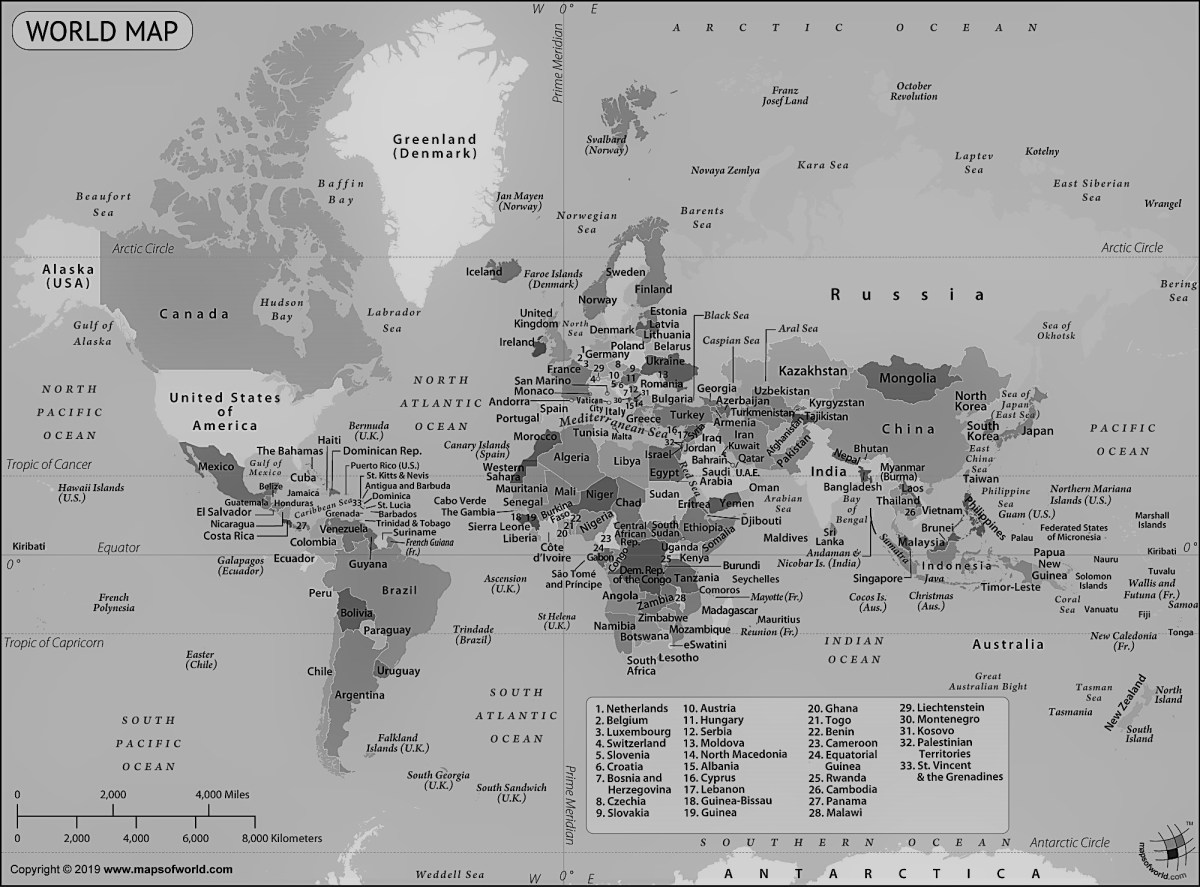
I went to college (Australian year 11 and 12) with Mahdid and we both chose to go into healthcare fields. Since then, we’ve been chatting about the different challenges we’ve been facing as healthcare profession students, especially during this crazy time. Australia has had 23,035 confirmed cases of COVID-19 and 379 deaths. While our numbers are much lower than other countries, there’s no doubt that this has been difficult for everyone. I asked Mahdid to share his story:
“Before SARS-CoV-2 hit, my weekly schedule began on a Thursday morning with an anatomy lecture and lab, where we learnt the anatomical foundations for the medical topic we were about to learn for the week. We were fortunate enough to do so through hands-on examinations of cadavers thanks to the brilliant individuals who decided to donate their bodies to science and learning. The rest of the week was filled with numerous lectures; tutorials based on real patient cases and investigations; research focused modules; as well as hands-on clinical skills labs where we would learn how to actually physically perform certain examinations from real doctors and clinicians to supplement the textbooks we read. Atop of all of these classes, every so often we would have patient forums, where a patient diagnosed with a condition we had been learning about speaks to all of us about themselves – not only about their condition but their entire, holistic experience which I found to be incredibly important and a genuinely invaluable experience for a young medical professional.
“Once social distancing came into effect my classes went online and being a medical faculty, we were especially vigilant. Although the problem-based tutorials and research were reasonably unaffected, the anatomy and clinical labs were difficult to do online. Being unable to see the anatomical structures in an actual three-dimensional specimen and how it relates to other nearby structures was a huge disadvantage since it’s often an important foundation to learning the following physiology. The hardest part about performing the clinical labs online is the difficulty of actually being able to conceptualise the skills through a screen or words [on paper] since it’s one thing to know how to practice these skills in theory, but actually knowing how to perform them is a completely different ball game. One of the more upsetting implications of social distancing has been the lack of our patient-centred forums. Our planned forums were cancelled which really sucked, since interacting and learning from an actual human with a condition is poles apart from learning it in a textbook, often devoid of real human feelings and experiences.
“Initially, being a pretty social person, it was a little tricky being so socially isolated. It was lovely being back home with family but it’s hard having your routine shaken up so drastically and rapidly. Despite this, I had kept busy with a bunch of projects. An exciting personal project I took on was keeping 3 pet pekin ducklings and renovating their coop in my backyard. I also took part in a uni project with the help of two of my peers; we convened the Vampire Cup blood drive for the University of Newcastle’s medical society throughout the pandemic. The Vampire Cup is a competition run every year between medical schools from different universities across Australia of which school can get the most blood donations. The competition began in March, near the Easter period where there’s always a shortage of blood donations and ended in May. Our uni did an amazing job this year despite the circumstances and we had 290 donations which smashed our previous records by more than 100 donations.”
You can check out Mahdid’s efforts on their Vampire Cup Facebook page: https://www.facebook.com/groups/UNMSVampires.
I met Angela while on placement in Tonga at Vaiola Hospital. She was still a nursing student at the time but has since graduated and become a fully fledged nurse! When I spoke to Angela, there were luckily no confirmed cases of COVID-19! She explained that things had remained running as normal but the small Kingdom had closed its borders to overseas travel to limit the possibility of transmission into the country.
The borders weren’t the only change that Tonga faced. The country had implemented a curfew between 9pm and 5am to limit the possibility of community interaction, just in case. More than 3,000 swabs for the purpose of COVID-19 testing have been sent to Tonga and will soon (if they aren’t already!) arrive in the country. Angela said that despite the declared state of emergency, her life hadn’t changed much at all. It seemed that the isolation of the Pacific had saved Tonga from what could have been disaster in this part of the world. Unfortunately, this hasn’t been the case for all Pacific island countries.
If we continue to stay alert and safe, we can still prevent further spread of COVID-19.
For more information about terminology surrounding COVID-19, such as Mahdid’s use of ‘SARS-CoV-2’, you can check out my last post where we explore terminology and the spread of COVID-19: https://daisyazmi.com/2020/06/07/the-spread-of-covid-19-and-how-contact-tracing-works/
Sources
International situation report 16 August 2020: https://www.who.int/docs/default-source/coronaviruse/situation-reports/20200816-covid-19-sitrep-209.pdf?sfvrsn=5dde1ca2_2
Pacific situation report 12 June 2020: https://www.who.int/docs/default-source/wpro—documents/dps/outbreaks-and-emergencies/covid-19/covid-19-external-situation-report-19.pdf?sfvrsn=ea24f9e7_2
 Daisy Azmi